Articles & Guides

Peptide Research & Insights

In-depth articles on peptide science, regulatory compliance, and research developments — for patients, researchers, and healthcare professionals.

Medical Disclaimer: Articles on this site are for informational purposes only and do not constitute medical advice. Consult a licensed healthcare provider before using any peptide or supplement.

12 min read

Stopping GLP-1 Therapy: Weight Regain, Withdrawal, and Maintenance Strategies

SURMOUNT-4 and STEP 4 trial data show that most patients regain significant weight after stopping semaglutide or tirzepatide. Here's what the science shows about why regain happens, how fast it occurs, and what strategies can help maintain results.

Informed Peptide Editorial Team ·
Read
13 min read

Peptide Quality and Sourcing: How to Evaluate What You're Getting

A certificate of analysis is not the same as pharmaceutical quality. This guide explains what COAs actually measure, what endotoxin testing means for injectable safety, how 503A/503B compounding differs from research chemical vendors, and the specific red flags that matter.

Dr. Sarah Kimura, PharmD, BCPS ·
Read
13 min read

BPC-157 and Gut Health: What the Research Actually Shows

BPC-157 was originally discovered as a gastric cytoprotective compound. Here's a thorough look at what the preclinical evidence shows for IBD, NSAID-induced gut damage, leaky gut, and the gut-brain axis — and what it doesn't show.

Dr. Sarah Kimura, PharmD, BCPS ·
Read
15 min read

Peptides for Injury Recovery: What the Evidence Shows by Injury Type

BPC-157, TB-500, collagen peptides, GH secretagogues — which peptides have preclinical or clinical evidence for injury recovery, and how does that evidence map to tendons, ligaments, muscle, bone, and cartilage? A research-forward guide.

Dr. Sarah Kimura, PharmD, BCPS ·
Read
16 min read

Peptides for Weight Loss: What the Evidence Actually Shows

From FDA-approved GLP-1 agonists to AOD-9604's Phase 3 trials to GH secretagogues for body composition — a clear-eyed look at which peptides have genuine evidence for weight-related outcomes, which are promising but unproven, and which don't have evidence at all.

Dr. Sarah Kimura, PharmD, BCPS ·
Read
14 min read

Peptide Therapy and Men's Health: A Research-Based Guide

A guide to how peptides are being researched for men's health concerns — from growth hormone decline and body composition to sexual function and recovery. What the evidence shows and what it doesn't.

Dr. Sarah Kimura, PharmD, BCPS ·
Read
16 min read

The Peptide Pipeline: Key Clinical Trials to Watch in 2026

From a triple GLP-1/GIP/glucagon agonist outperforming everything before it to the first oral semaglutide Parkinson's trial and a BPC-157 analog in humans — here's what's moving through clinical development and why it matters.

Informed Peptide Editorial Team ·
Read
16 min read

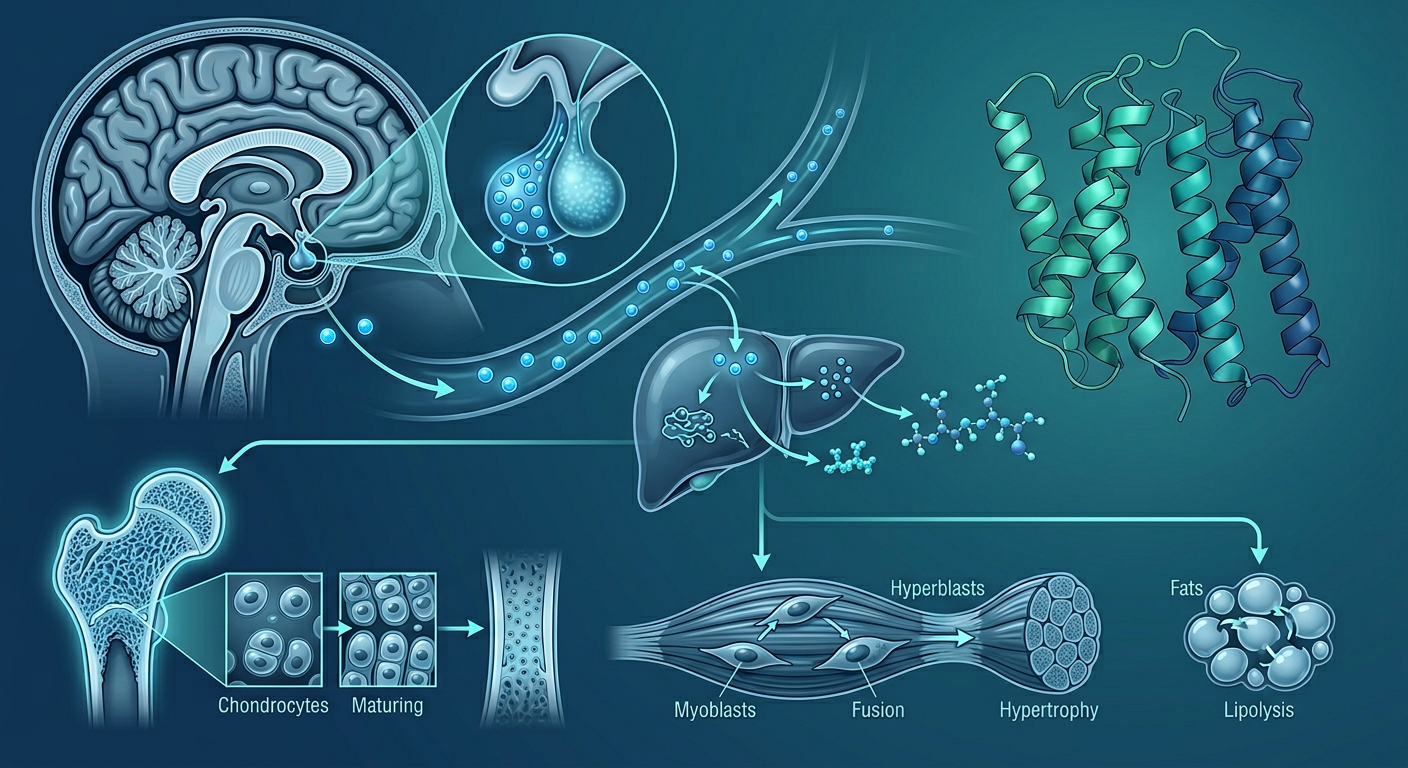
Muscle Loss on GLP-1 Medications: Why It Happens and What to Do About It

Studies show 25–40% of weight lost on semaglutide and tirzepatide comes from lean mass, not fat. Here's what the research says about why this happens, how much it matters, and what you can actually do — including the peptide therapies being investigated.

Informed Peptide Editorial Team ·
Read
16 min read

Combining Peptides: A Clinician's Framework for Multi-Peptide Therapy

Most peptide therapy patients eventually combine more than one peptide. Here's how experienced clinicians think about combination rationale, sequencing, monitoring, and the combinations that warrant extra caution.

Informed Peptide Editorial Team ·
Read
15 min read

Peptide Therapy and Women's Health: A Practical Guide

From the only FDA-approved peptide for female sexual dysfunction to research on hypothalamic amenorrhea, perimenopause, and body composition — here's what the evidence says about peptides and women's health specifically.

Informed Peptide Editorial Team ·
Read
17 min read

AOD-9604 and Fragment 176-191: What the Clinical Trial Record Actually Shows

AOD-9604 is a GH fragment peptide that went further through formal drug development than almost any compounded peptide — including three Phase 3 trials that did not achieve their primary endpoints. This guide covers the mechanism, the complete clinical history, why the trials failed, what the GRAS status actually means, the injectable vs. oral distinction, and what patients need to know about gray-market Fragment 176-191 products.

Informed Peptide Editorial Team ·
Read

17 min read

BPC-157 for Pain Relief: What the Research Shows on Analgesia and Routes of Administration

A 2026 review documents BPC-157's pain-reducing effects across multiple animal models via mechanisms distinct from NSAIDs and opioids. This guide covers the analgesic mechanisms in depth — opioid sensitivity modulation, dopaminergic effects, NO pathway interactions, NSAID comparison — and explains why the oral vs. injectable route question is unusually important for this specific peptide.

Informed Peptide Editorial Team ·
Read

18 min read

Why Some Patients Plateau on GLP-1 Drugs — and What the Gut-Brain Science Suggests

GLP-1 medications reduce hunger effectively but have inconsistent effects on reward-driven eating. A 2026 review in Obesity Science & Practice examines why combining semaglutide or tirzepatide with naltrexone/bupropion may address both pathways — and what patients who plateau need to understand about the biology.

Informed Peptide Editorial Team ·
Read

14 min read

Is Peptide Therapy Right for Me? A Decision Guide for New Patients

Peptide therapy covers dozens of compounds with very different evidence bases, approved uses, and risk profiles. This guide helps you figure out whether there is a peptide approach relevant to your situation — and what questions to bring to a doctor before starting anything.

Informed Peptide Editorial Team ·
Read

14 min read

What Labs to Monitor on Peptide Therapy: A Practical Guide by Compound

Monitoring is not optional on peptide therapy — it catches problems early, confirms the therapy is working, and protects you if something changes. This guide covers what to measure, when, and why for GLP-1 drugs, GH secretagogues, PT-141, and other commonly used peptides.

Informed Peptide Editorial Team ·
Read
12 min read

Peptides in Sport and Bodybuilding: An Honest Risk Assessment

GH secretagogues, BPC-157, and other peptides are widely used in fitness and athletic communities. A 2026 critical review found the evidence base is far thinner than the marketing suggests — and the risks more serious. Here is what performance-oriented users need to know.

Informed Peptide Editorial Team ·
Read
19 min read

Why GLP-1 Drugs Work Differently for Different People: The Genetics Explained

A landmark 2026 Nature study of nearly 28,000 patients identified genetic variants in GLP1R and GIPR that predict both weight loss response and nausea risk from semaglutide and tirzepatide. Here is what the science means, how receptor genetics shape drug response, and what patients can realistically do with this information today.

Informed Peptide Editorial Team ·
Read
14 min read

MOTS-c and KPV: What the Science Says About These Emerging Research Peptides

MOTS-c is a peptide encoded in mitochondrial DNA — the first of its kind found to act as a systemic metabolic signal. KPV is a three-amino acid anti-inflammatory fragment of a stress hormone. Here is what the current evidence shows, where it falls short, and what honest expectations look like.

Informed Peptide Editorial Team ·
Read
13 min read

Peptide and Drug Interactions: What Every Patient Needs to Know Before Combining Therapies

Peptides can interact with prescription medications in ways that affect safety and efficacy. This guide covers the most clinically significant interactions — GLP-1 drugs with diabetes and blood pressure medications, GH secretagogues with corticosteroids and insulin, PT-141 with antihypertensives, and the universal rule about disclosing peptide use to all providers.

Informed Peptide Editorial Team ·
Read
14 min read

Thymosin Alpha-1: The Immune-Modulating Peptide with Decades of Clinical Research

Thymosin alpha-1 is a 28-amino acid peptide from the thymus gland, approved for clinical use in over 35 countries and studied in viral hepatitis, cancer, sepsis, and immune deficiency. Here is what the evidence shows — and what patients considering it need to know.

Informed Peptide Editorial Team ·
Read
16 min read

Collagen Peptides: What the Science Actually Shows for Skin, Joints, and Recovery

Collagen peptides are the most widely consumed peptide supplement in the world. This guide covers the absorption mechanism, what peer-reviewed research shows for skin elasticity, joint health, bone density, and exercise recovery, how to evaluate products, and where the evidence is stronger or weaker than marketing suggests.

Informed Peptide Editorial Team ·
Read
17 min read

Epithalon: The Telomere Peptide — What the Research Actually Shows

Epithalon (Epitalon) is a synthetic tetrapeptide developed in Russia with a proposed mechanism of telomere lengthening via telomerase activation. This guide examines the complete evidence base — the pineal biology origin, what telomere research actually shows, the Khavinson longevity studies, the cancer risk question, how epithalon compares to TA-65, and what patients need to know.

Informed Peptide Editorial Team ·
Read
15 min read

Kisspeptin: The Peptide That Controls Reproductive Hormones — What the Evidence Shows

Kisspeptin is the upstream gatekeeper of the reproductive hormone axis. Here is what it is, what happens when it goes quiet (hypothalamic amenorrhoea, functional hypogonadism), what a landmark 2025 nasal spray trial found, and what patients need to know.

Informed Peptide Editorial Team ·
Read
14 min read

Selank vs. Semax: A Researcher's Guide to Nootropic Peptides

Selank and Semax are the two most studied Russian nootropic peptides. Both have real clinical evidence behind them — mostly from Russia. Here's what the research shows, how they compare, and what Western patients need to understand before seeking them out.

Informed Peptide Editorial Team ·
Read
18 min read

Tesamorelin: The FDA-Approved GHRH Peptide — What Patients Should Know

Tesamorelin (Egrifta) is the only GHRH analogue with FDA approval — for visceral fat reduction in HIV-associated lipodystrophy. Its emerging role in cognitive preservation and GLP-1 muscle-loss prevention makes it one of the most clinically interesting peptides in development.

Informed Peptide Editorial Team ·
Read
14 min read

Starting GLP-1 Therapy: What to Expect in Your First 8 Weeks

Semaglutide and tirzepatide work — but the first weeks involve a learning curve most patients aren't prepared for. Here's a week-by-week guide to side effects, dosing, realistic expectations, injection technique, and when to call your provider.

Informed Peptide Editorial Team ·
Read
16 min read

How to Store and Reconstitute Peptides: A Patient's Practical Guide

Most peptides are shipped as lyophilized (freeze-dried) powder requiring reconstitution before use. This comprehensive guide covers why lyophilization is used, choosing the right diluent, concentration calculations, step-by-step reconstitution, storage conditions, compound-specific notes, travel logistics, needle disposal, and how to recognize compromised vials.

Informed Peptide Editorial Team ·
Read
16 min read

Sermorelin: The Original Growth Hormone Peptide Explained

Sermorelin has a longer clinical history than any other growth hormone-releasing peptide — including an FDA approval that lasted over a decade. This guide covers its mechanism, the somatopause biology it targets, the adult evidence base, how it preserves pituitary feedback that exogenous HGH bypasses, dosing and monitoring, and how it compares to ipamorelin/CJC-1295 and tesamorelin.

Informed Peptide Editorial Team ·
Read
18 min read

PT-141 (Bremelanotide): The FDA-Approved Peptide for Sexual Health

PT-141, sold as Vyleesi, is one of the few peptides with FDA approval — for hypoactive sexual desire disorder in premenopausal women. Here's what patients should know about its mechanism, evidence, clinical use, and the off-label use landscape.

Informed Peptide Editorial Team ·
Read
17 min read

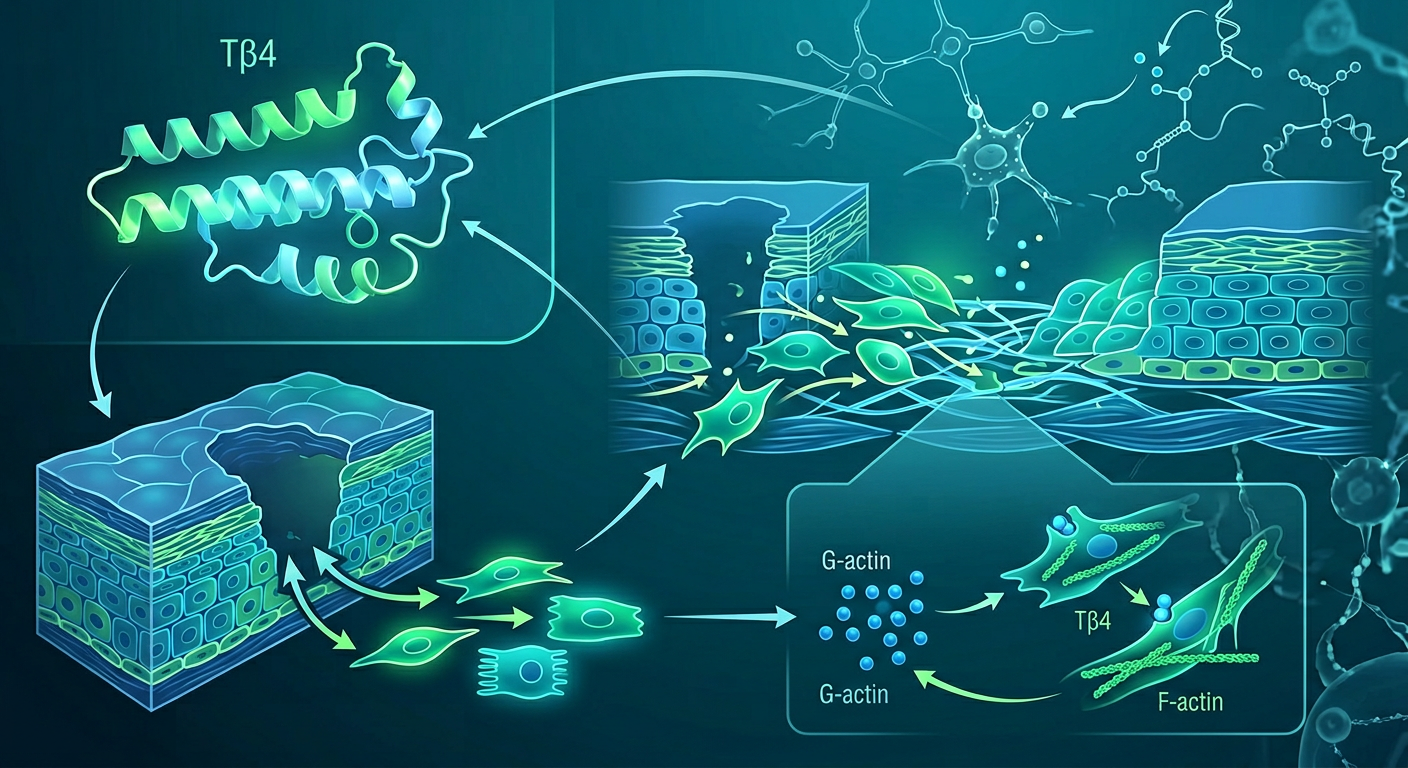
TB-500 (Thymosin Beta-4): What the Research Shows About Tissue Repair

TB-500 is one of the most discussed research peptides for injury recovery. Here's a science-first look at what the actin biology, animal studies, and early human trials show — and what remains unproven about systemic use.

Informed Peptide Editorial Team ·
Read
18 min read

Understanding FDA Regulations on Peptides in 2026

FDA regulation of peptides spans drug approval, compounding pharmacy rules, dietary supplement oversight, and enforcement against gray-market vendors. This guide explains the regulatory frameworks, how the Category 1/2 compounding lists work, the GLP-1 shortage episode, and how to verify the legal status of any compound.

Informed Peptide Editorial Team ·
Read
16 min read

What Is BPC-157? Science, Research, and Regulatory Status

BPC-157 (Body Protection Compound-157) is a synthetic peptide derived from human gastric protein with decades of animal research in tissue repair, gut health, and neuroscience. This guide covers the mechanisms, the evidence, why human trials haven't happened, and what the current regulatory status means for patients.

Informed Peptide Editorial Team ·
Read
16 min read

Anti-Aging Peptides: What the Research Actually Shows

Peptides are increasingly marketed for anti-aging purposes. This article examines the evidence base category by category — from collagen peptides to GH secretagogues, GHK-Cu, epithalon, thymosin alpha-1, and MOTS-c — covering mechanisms, what human trials show, and where the evidence ends and extrapolation begins.

Informed Peptide Editorial Team ·
Read
18 min read

The Science Behind BPC-157 for Injury Recovery

BPC-157 has become one of the most discussed research peptides in sports medicine and recovery contexts. This guide examines the complete preclinical evidence base — mechanisms, injury-type specific data, dose-response findings, and the critical limits of animal-to-human translation — so readers can assess the science accurately.

Informed Peptide Editorial Team ·
Read
16 min read

Peptide Safety: What You Need to Know Before Starting

Before starting any peptide protocol, understanding the safety landscape is essential. This guide covers what is known — and unknown — about peptide safety, the risks of unsupervised use, specific contraindications, monitoring requirements, and how to minimize harm across each major peptide category.

Informed Peptide Editorial Team ·
Read
16 min read

How to Choose a Peptide Therapy Clinic: A Patient's Guide

With peptide therapy clinics proliferating online and in-person, knowing what to look for — and what red flags to avoid — is essential. This guide walks you through credentials, pharmacy vetting, protocol-specific questions, and the intake process benchmarks that separate quality providers from the rest.

Informed Peptide Editorial Team ·
Read
18 min read

GLP-1 Agonists Explained: Semaglutide vs. Tirzepatide

GLP-1 receptor agonists like semaglutide (Ozempic, Wegovy) and tirzepatide (Mounjaro, Zepbound) have transformed diabetes and weight management. This guide explains how they work at the receptor level, what the clinical data shows, how they differ, and what patients need to understand before starting.

Informed Peptide Editorial Team ·
Read
16 min read

What Are Peptides? A Beginner's Guide

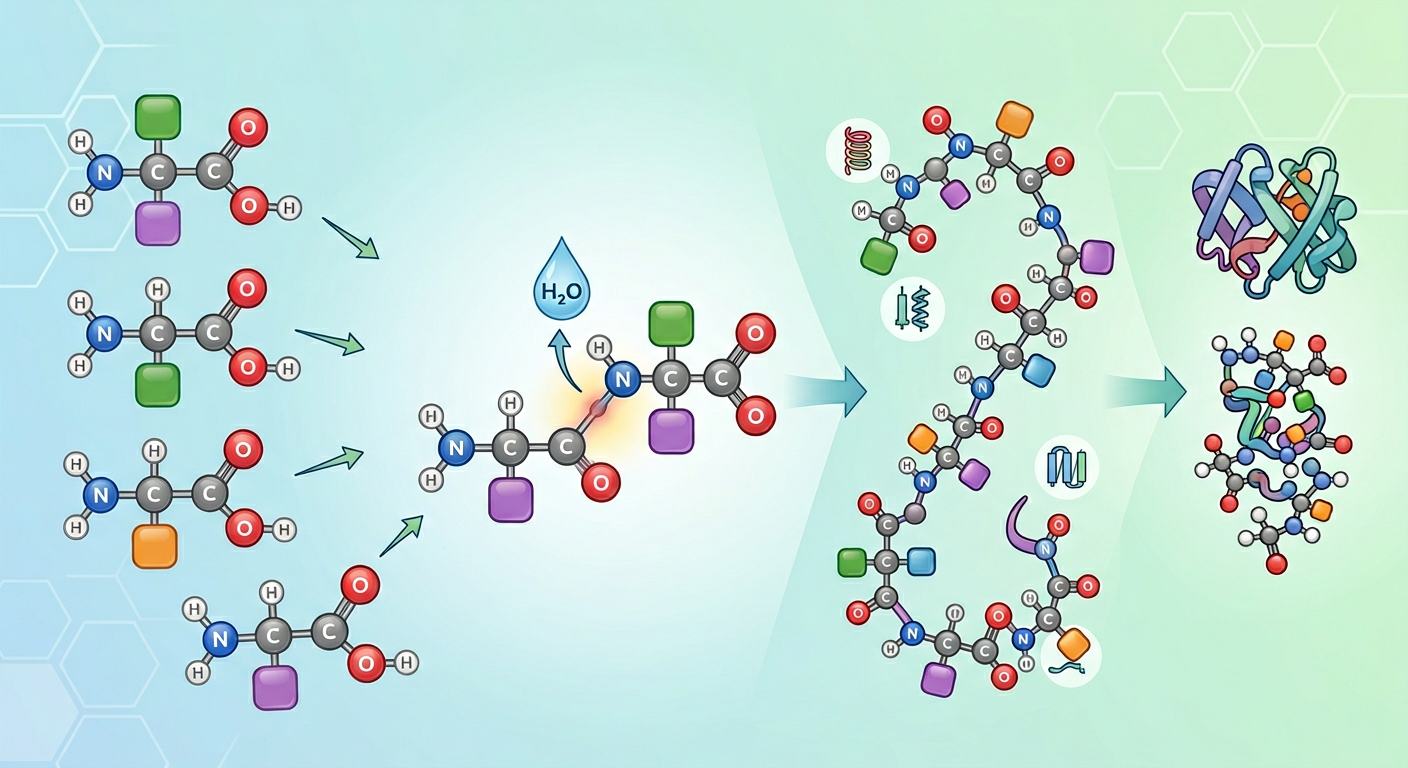
Peptides are short chains of amino acids found naturally in your body that regulate everything from metabolism to immunity. This beginner's guide explains what peptides are, how they work, the major categories used in health research, how to evaluate the evidence, and how to navigate the regulatory landscape before exploring peptide-based therapies.

Informed Peptide Editorial Team ·
Read

Looking for more?

Our news section covers the latest regulatory updates, clinical trial results, and peptide research developments.